
From Professional Experience to Published Author: Creating Your Business Book
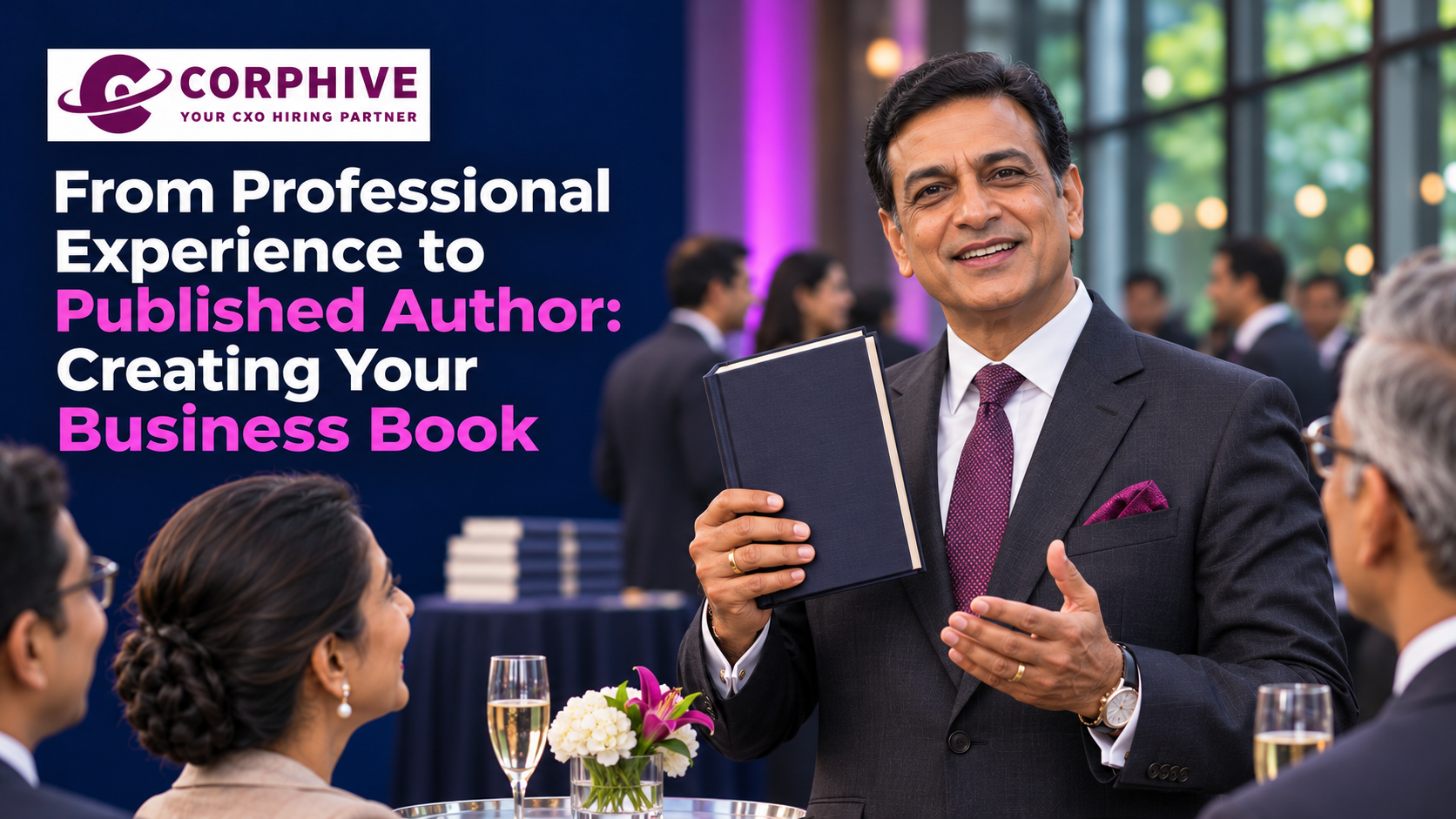
Many senior professionals have enough experience to fill several books. The harder task is choosing one idea that matters to readers and shaping it into a book they will want to finish.
A business book isn’t a record of everything you have done. It makes a clear argument, supports it with useful examples and helps readers see their work differently.
How to build a legacy brand in your professional domain explores why a distinctive contribution can outlast a long list of achievements. A focused business book can make that contribution clear.
Turn a broad ambition into a book idea
“I should write a book” is a starting point, but it isn’t yet a subject. Your career contains many possible stories and lessons. A book needs one central thread.
Look for a pattern you have seen repeatedly: a common belief in your field that fails in practice, a decision that changes outcomes, or an approach that has worked across different situations. Strategic thinking — developing the skill that gets you to the C-suite explores the value of identifying the pattern beneath individual events. That same skill can help you find the argument at the centre of your book.
Try expressing your idea in one sentence. If it takes a full paragraph to explain, it may need to be narrowed.
Test the idea before drafting a book
Before committing months to a manuscript, see whether your intended readers care about the idea. Write an article, share a few posts or present the framework to a professional group. Notice what people question, remember or pass along.
This won’t guarantee that a book will find an audience, but it can help you refine the idea and learn which parts need clearer explanation. How to write thought leadership articles that establish authority offers a useful starting point for testing and expressing your thinking in public.
Choose between a memoir and a business book
A memoir is shaped around your personal story: what happened, how you experienced it and what changed. A business book uses experience to explain an idea, method or framework. Your stories may appear in either, but they serve different purposes.
If you want readers to understand your life and decisions, a memoir may be the right form. If you want them to apply a particular way of thinking or working, a business book may fit better. Some books combine both, but it helps to decide which purpose will lead. How to turn your career experiences into a memoir explores the memoir route.
Build chapters around what readers need
Chronology may feel like a natural way to organise your career, but it may not be the clearest structure for readers. Instead, start with the problem your book addresses, explain your approach, then use chapters to develop its main parts.
For each chapter, ask: what should the reader understand or be able to do by the end? A stage-by-stage structure can help make a complicated subject easier to follow. Career growth roadmap — what your first five years look like shows how a sequence of stages can give readers a clear path through a topic.
Use career stories as evidence
A story belongs in the book when it helps prove or explain the central idea. Choose examples that show the situation, the decision you made and what happened as a result. Include setbacks and uncertainty where they matter; a polished success story can leave out the lesson readers need.
How to build resilience through career setbacks and failures reflects on what setbacks can reveal. In a business book, those moments can make an argument more credible when they show how an approach was tested and what changed afterward.
Set a writing rhythm you can sustain
A book is usually finished through regular work, not one burst of inspiration. Choose a weekly writing target that fits around your other responsibilities, and set aside time for it on your calendar.
Your pace may change from week to week. The useful part is having a routine that helps you return to the manuscript and keep moving. Investing in yourself — courses, books and habits that pay off discusses how small habits can build value over time.
Choose a publishing route that fits your goals
Traditional publishing and self-publishing offer different trade-offs in control, timing, distribution and support. The right choice depends on your goals, the book’s audience, your capacity to manage the process and the options available to you.
A book intended to support consulting or speaking may serve a different purpose from one expected to earn most of its value through sales. Consulting after retirement — how to turn your experience into a thriving business explores how a book can support a consulting practice.
Get editorial help before publication
A complete draft is a major milestone, but it may still need substantial revision. A developmental editor can help strengthen the argument, structure and flow. A copyeditor can then improve clarity and catch errors that distract readers.
Choose support according to what the manuscript needs. The goal is a book that reads clearly and delivers on the promise made to its audience.
Give the book a life beyond its pages
A finished book can provide material for articles, talks and consulting conversations. These activities can help readers discover your ideas and give potential clients or collaborators a clearer sense of your work.
How to turn your professional experience into a speaking career covers the speaking path. How to write thought leadership articles that establish authority offers ideas for continuing to share your perspective. Together, these channels can help your book reach people who may benefit from its ideas.
Frequently asked questions
What makes a strong subject for a business book?
A strong subject combines a specific idea with evidence from your experience and a clear reason readers should care. It should be focused enough to support one central argument.
Should I write a memoir or a business book?
Choose a memoir if your personal story is the main subject. Choose a business book if your experience supports a framework, method or argument that readers can use.
How long does it take to write a business book?
The timeline depends on the book’s scope, your schedule and how much research or editing it needs. A steady writing routine can help you make progress, but there is no single timeline that fits every author.
Is self-publishing or traditional publishing the better choice?
Neither route is best for everyone. Compare the control, support, timing, distribution and costs each option would involve for your goals and audience.
How can a business book support other professional opportunities?
It can give your articles, talks and consulting conversations a central idea to build around. The book can also help prospective readers understand the experience and perspective you bring.